Level 2, done properly
EV Charger Installation
A dedicated Level 2 circuit sized for the car you have and the panel you own, installed on a permit, with the load calculation done before anything is ordered.
- Circuit
- Dedicated, always
- Sized from
- A load calculation
- Permit
- We file it
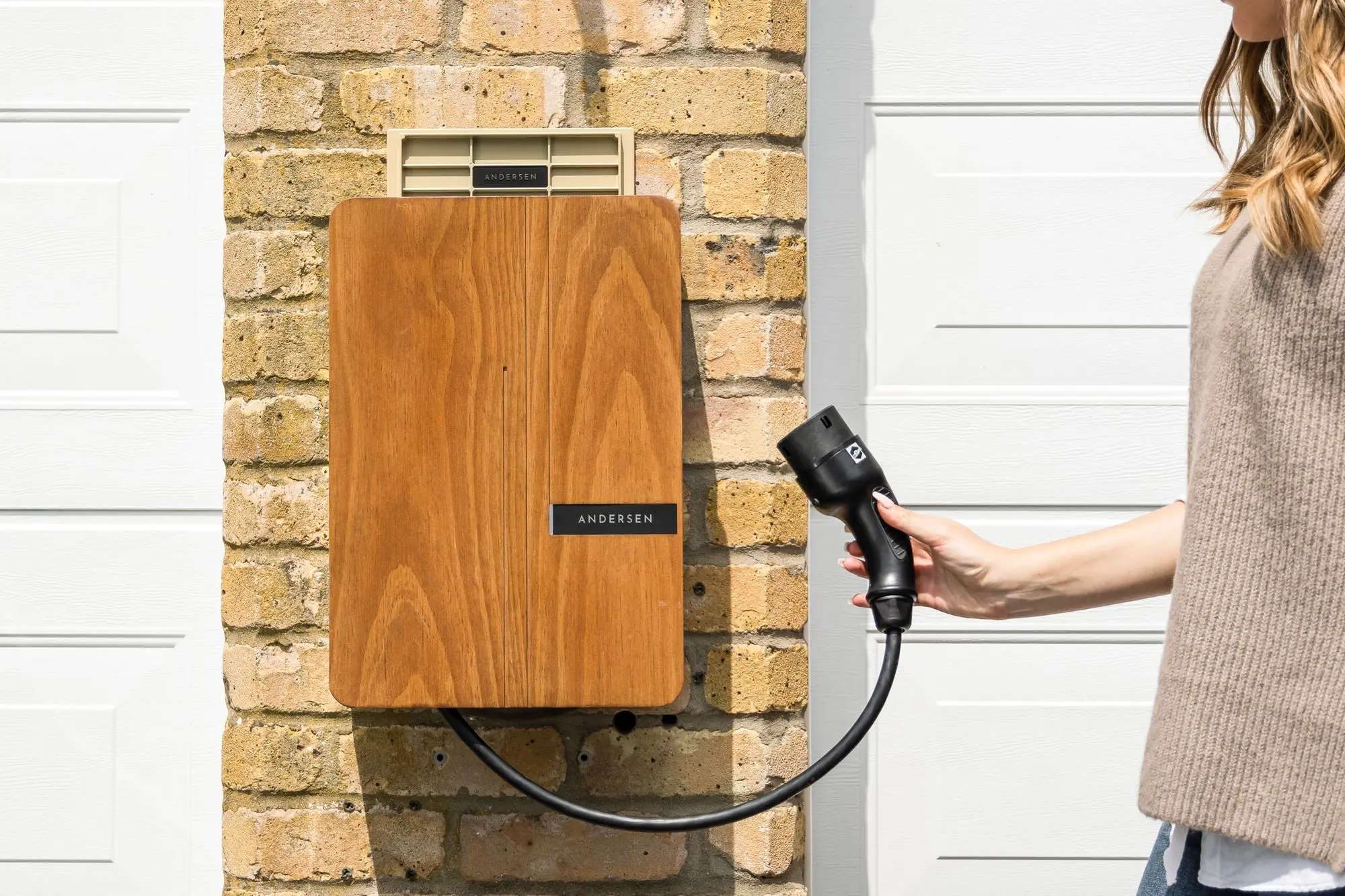
The charger is the cheap part. The circuit is the job.
Almost every EV charger problem we get called to is the same problem: the charger was fitted to a house that did not have the capacity for it, and nobody did the arithmetic first.
The order of operations matters. Load calculation, then panel capacity, then circuit size, then the charger — not the other way around. Occasionally that produces an answer nobody wanted, which is that the service needs upgrading first. Better to hear it before the equipment is on the driveway.
- A load calculation on the existing service before anything is specified
- A dedicated circuit sized for the charger, with no shared neutral and nothing else on it
- Hardwired or a proper receptacle, depending on the unit and where it lives
- Ground-fault protection appropriate to the location, including outdoors and in a damp garage
- A cable route planned around where you actually park, not where the panel happens to be
- Load management as an option where the service is tight but not hopeless
- The permit, the inspection, and the utility programme paperwork if there is one worth having
The honest version of the conversation
Four things that come up on almost every EV visit.
You may not need the biggest one
A 48-amp charger on a car that accepts 32 amps buys nothing at all. And for a commute under forty miles a day, a smaller charger overnight is genuinely enough. We will ask what you drive and how far before recommending anything.
Load management is real, and it is often the answer
Where the service is tight, a load-managing charger or a circuit-sharing device can make the difference between "works today" and "needs a service upgrade first". It is not a fudge — it is a supported, listed solution.
The garage outlet you already have is not it
A standard outlet in a garage is almost never on a circuit that can carry a car overnight, and using one for charging is how a receptacle ends up discoloured. If your car came with a plug-in cable, that is a trickle charger, not a Level 2 install.
Sometimes the answer is the panel first
If the calculation says the service cannot carry it, you will hear that on the first visit with the numbers attached, rather than after a charger has been fitted to a house that cannot run it.
How this is priced
- In writing before anything starts
- Readings and findings left with you
- Nobody paid a percentage of the invoice
Fixed price after a site visit, covering the circuit, the device, the permit and the inspection. The variable is distance — a charger on the wall behind the panel and a charger at the far end of a detached garage are not the same job, and the run gets measured before the number is given.
Questions we get
About ev charger installation
Do I need a panel upgrade to install an EV charger?
Sometimes, and less often than people expect. It depends on the size of your service and what else in the house is electric. A gas-heated house on 200 amps is usually comfortable. A fully electric house on 100 amps usually is not. The load calculator on this site walks through the same inputs we would use, and it is explicit that a real answer needs a real calculation on site.
How fast will it actually charge?
That depends on your car as much as the charger — the vehicle decides how much it will accept. As a rough guide, a 40-amp Level 2 circuit adds something in the region of 25 to 30 miles of range per hour for a typical car, which turns an overnight into a full battery for almost anybody. Your car's manual gives the number that actually applies to it.
Should the charger be hardwired or plugged in?
Both are legitimate. Hardwiring is required above certain current levels and is generally the more robust install, particularly outdoors. A receptacle makes it easy to take the unit with you if you move. We will tell you which applies to the unit you are considering and let you choose from there.

Stop and call
Burning smell. Scorched outlet. Half the house dark.
The after-hours line rings an electrician who can see the board, not a message service.
- Any smell of burning plastic near an outlet, switch or panel
- Scorch marks, melting or discolouration on a faceplate
- An outlet, switch or breaker that is warm or hot to the touch
- Buzzing, crackling or a sizzling sound from the panel
- A breaker that trips again immediately after being reset
Request this
Tell us what the ev charger installation problem looks like.
Someone calls you back with a real arrival window, usually the same working day.