Standby and portable
Generators & Transfer Switches
Standby generator wiring, or a properly interlocked transfer switch for the portable you already own. Either way, the utility side is isolated — that part is not optional.
- Never acceptable
- Back-feeding a socket
- Transfer switch
- Or a listed interlock
- Permit
- We file it
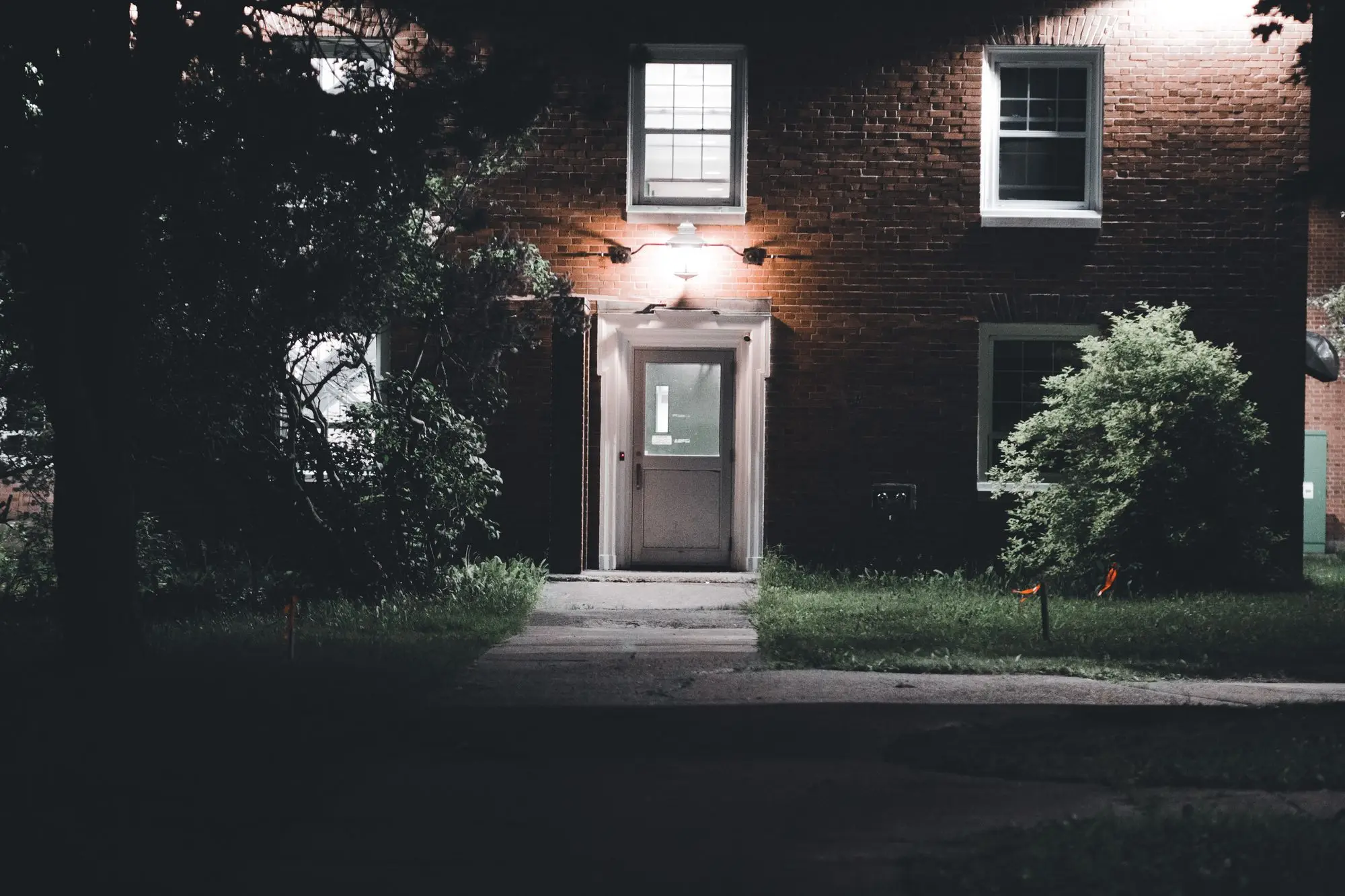
The point of a generator is that you do nothing when the power goes.
There are two conversations here and they cost very different amounts. One is a permanently installed standby generator that starts itself. The other is making the portable in your garage safe and useful, which is mostly a transfer switch and an afternoon.
What they have in common is the thing that matters: when your generator is running, your house must be electrically separated from the utility. A generator back-feeding a de-energised line is how line workers get killed, and it is the reason a transfer switch or a listed interlock is not a nicety.
- Manual transfer switches for a portable generator you already own
- Panel interlock kits, where the panel has a listed one available for it
- Automatic transfer switches for permanently installed standby units
- The generator circuit, the pad or mount, and the disconnect
- The critical-loads sub-panel — deciding what actually needs to stay on
- Gas connection coordinated with a licensed gas fitter where the unit runs on gas
- Commissioning under load, so the first real test is not a storm
Getting this one right
Four things that decide whether a generator is useful or just expensive.
Choosing what stays on
Almost nobody needs the whole house. Heat, the fridge, the well pump, a few circuits of light and the internet will get most families through comfortably, on a much smaller unit. We size from the list, not from the square footage.
The suicide cord conversation
A double-ended male cord into a wall outlet energises your neighbourhood's wiring and every exposed part in your own house. It is the single most dangerous thing a homeowner can do with a generator. If you have one, we will fit you a transfer switch and we would rather do it cheaply than not at all.
Carbon monoxide is the actual risk
More people are hurt by portable generator exhaust than by anything electrical about them. Placement is part of the job, not an afterthought, and we will not sign off an installation that puts an engine anywhere near an opening window.
It gets tested under load
A standby unit that has never carried the house has not been commissioned, it has been switched on. We run it against real load before we leave, and we show you the changeover happening.
How this is priced
- In writing before anything starts
- Readings and findings left with you
- Nobody paid a percentage of the invoice
A transfer switch or interlock for an existing portable is a fixed-price half-day job in most houses. Standby installations are quoted after a site visit and depend on the unit, the run, the gas supply and what has to stay on. The permit is included in either number.
Questions we get
About generators & transfer switches
I already own a portable generator. What do I actually need?
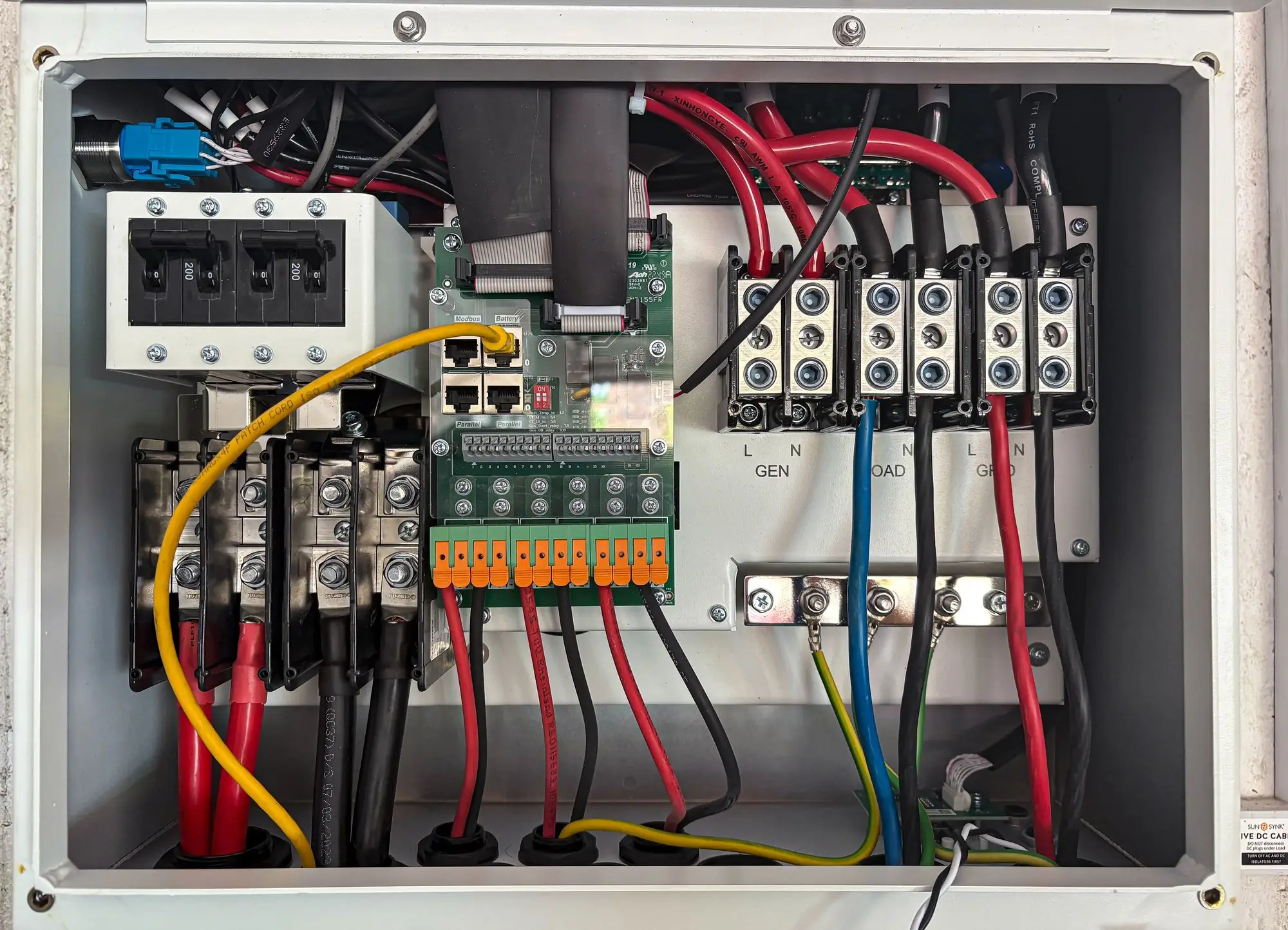
A way to connect it to the house that isolates you from the utility — either a manual transfer switch feeding a set of chosen circuits, or a listed interlock kit on the panel that makes it physically impossible to have both sources on at once. Which one suits you depends on your panel and how many circuits you want covered.
How big a standby generator do I need?
Less than most quotes assume. The size follows the list of what you want running, so the useful conversation starts with that list rather than with the house. Heat, refrigeration, water, some lighting and the internet covers most people, and a unit sized for that is a great deal cheaper to buy and to run than one sized for everything.
Can a generator run my air conditioning?
It can if it is sized for the starting current, which is much higher than the running current — that is the number that catches people out. It is a real cost driver, and worth deciding deliberately rather than discovering in August.
Stop and call
Burning smell. Scorched outlet. Half the house dark.
The after-hours line rings an electrician who can see the board, not a message service.
- Any smell of burning plastic near an outlet, switch or panel
- Scorch marks, melting or discolouration on a faceplate
- An outlet, switch or breaker that is warm or hot to the touch
- Buzzing, crackling or a sizzling sound from the panel
- A breaker that trips again immediately after being reset
Request this
Tell us what the generators & transfer switches problem looks like.
Someone calls you back with a real arrival window, usually the same working day.