Staged, liveable, honest
Rewiring & Older Homes
Assessment and staged rewiring for houses with knob-and-tube, cloth-insulated cable, aluminium branch circuits or forty years of additions.
- Starts with
- An assessment
- Usually
- Staged, not all at once
- You keep
- The written findings
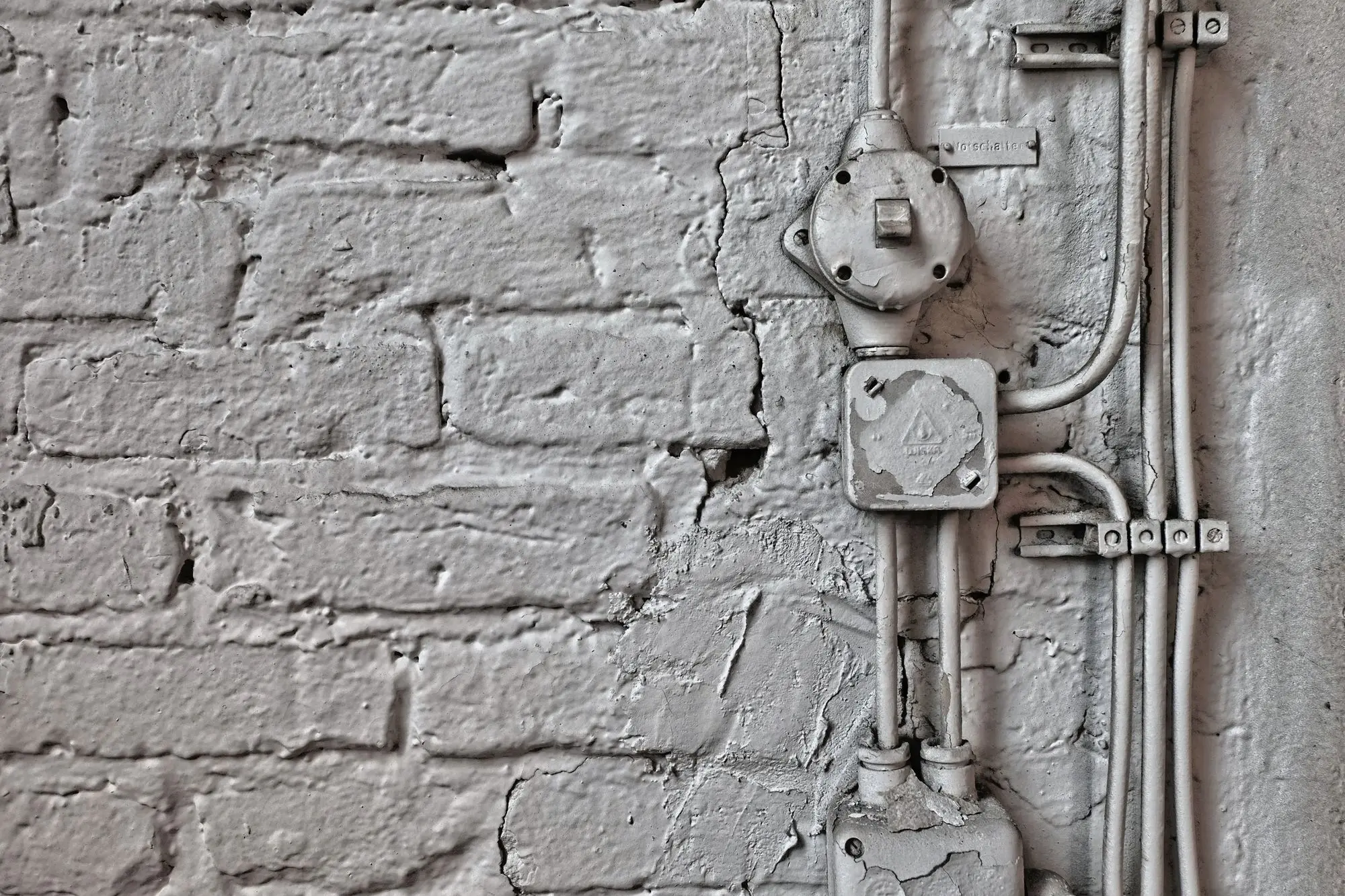
Old wiring is not automatically bad wiring. Some of it is.
Older houses attract a lot of confident nonsense. Not all old wiring is dangerous, and not all modern wiring is safe — what matters is the specific system in your specific walls and what has been done to it since.
The work usually starts with an assessment rather than a quote: what is actually there, what is genuinely a risk, what is merely obsolete, and what can wait. Very few houses need everything done at once, and a staged plan that fits your life is worth more than a heroic quote you never accept.
- Knob-and-tube — where it is live, where it has been buried in insulation, where it has been extended
- Cloth-insulated cable that has gone brittle at the terminations
- Aluminium branch circuits, and the specific listed methods for dealing with them
- Ungrounded circuits, and which of the legitimate remedies suits each one
- Junction boxes hidden behind finishes, which is common and is not allowed
- Overfilled boxes, backstabbed devices and splices made outside a box
- Additions and DIY work layered on top of each other over decades
How we approach an old house
Four principles that keep this honest rather than alarming.
Assessment before quotation
You get a written account of what is there and what each finding actually means, ranked by risk. It is useful whether or not you use us, and it is not a sales document.
Staged where staging makes sense
Bedrooms and the kitchen this year, the rest next. A plan you can live in and pay for beats a complete rewire that stays a quote forever.
We say when it is fine
Plenty of sixty-year-old wiring is in better condition than work done in 2006. If your house is one of those, you will be told, and the invoice will be for the assessment.
Making good is part of the job
Rewiring an occupied house means openings in finishes. Where they will be, how many, and who closes them up are all agreed before anything is cut — not discovered on day three.
How this is priced
- In writing before anything starts
- Readings and findings left with you
- Nobody paid a percentage of the invoice
The assessment is a flat fee and produces a written report. Rewiring is quoted per stage after that, with the access and making-good assumptions written into the quote so there are no discoveries. Financing is available through an independent lender for whole-house work.
Questions we get
About rewiring & older homes
Do I have to rewire the whole house at once?
Rarely. Most older houses are better served by a staged plan that deals with the genuinely risky circuits first and the merely obsolete ones later. The exception is a house being taken back to studs anyway, where doing it all at once is simply cheaper.
Is knob-and-tube wiring illegal?
Existing knob-and-tube is not automatically unlawful, though it cannot be extended and there are real restrictions — notably that it must not be buried in insulation, which is how a great many attics ended up in trouble. Insurers take their own view, and that is often what actually drives the timing. What matters is the condition of yours, which is a question with a factual answer.
I have aluminium wiring. What are my options?
There are listed, tested repair methods for aluminium branch circuits, and there is full replacement. Which is appropriate depends on the extent and condition of what is there. What is not appropriate is doing nothing on the basis that it has been fine so far — the failure mode is at the connections, and it develops slowly.
Stop and call
Burning smell. Scorched outlet. Half the house dark.
The after-hours line rings an electrician who can see the board, not a message service.
- Any smell of burning plastic near an outlet, switch or panel
- Scorch marks, melting or discolouration on a faceplate
- An outlet, switch or breaker that is warm or hot to the touch
- Buzzing, crackling or a sizzling sound from the panel
- A breaker that trips again immediately after being reset
Request this
Tell us what the rewiring & older homes problem looks like.
Someone calls you back with a real arrival window, usually the same working day.